
To More Inquiry

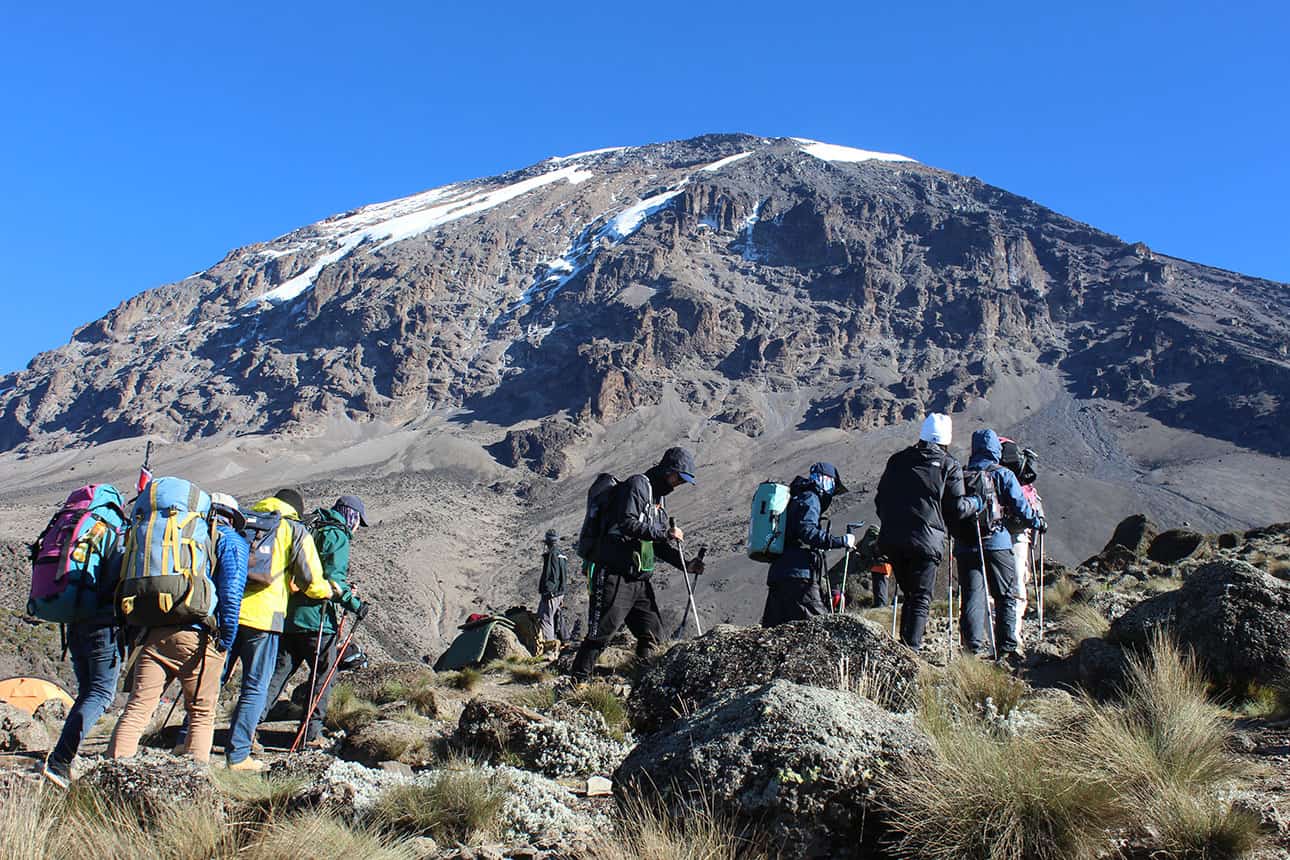
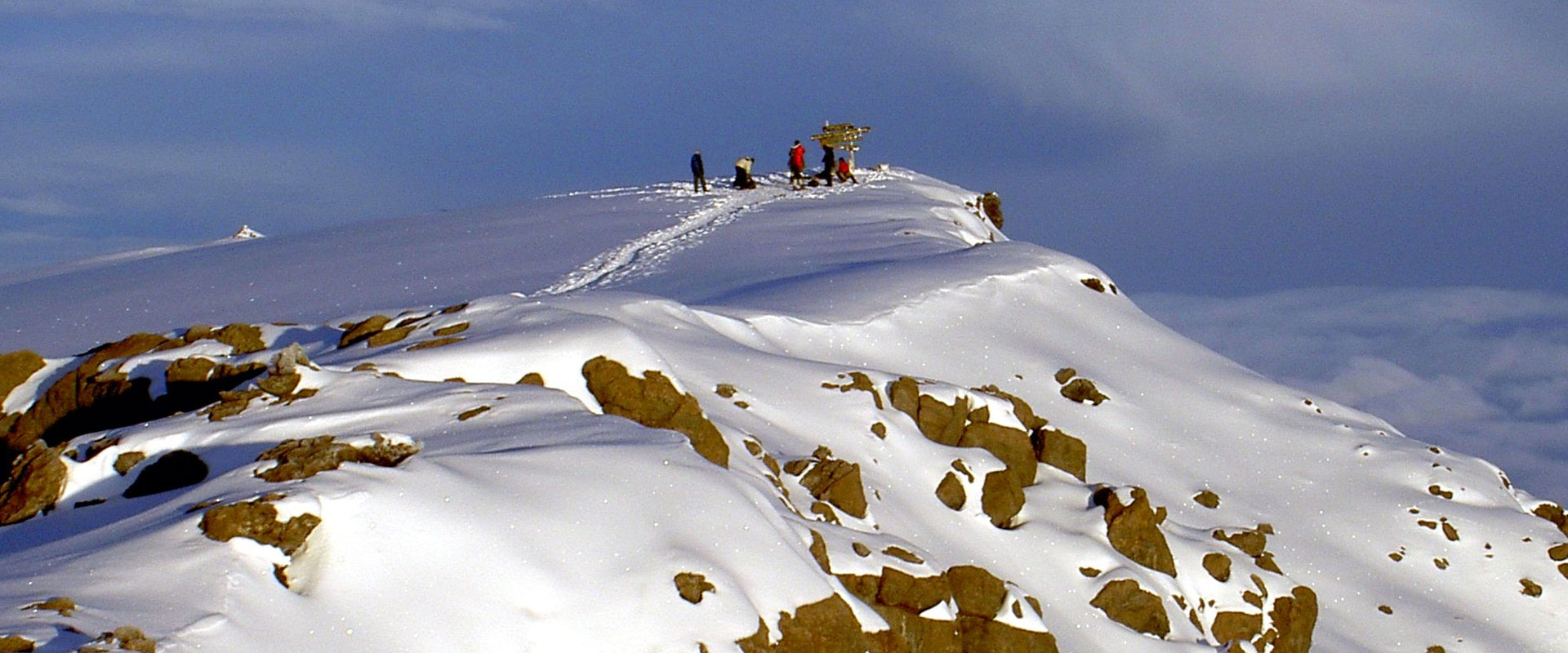
Rising majestically to 5,895 meters (19,341 ft), Mount Kilimanjaro is the tallest mountain in Africa and one of the most iconic natural landmarks on the continent. Located in northern Tanzania near the Kenyan border, it stands as a solitary volcanic giant above the surrounding plains, offering climbers and adventurers a world-class experience of both natural beauty and physical challenge.
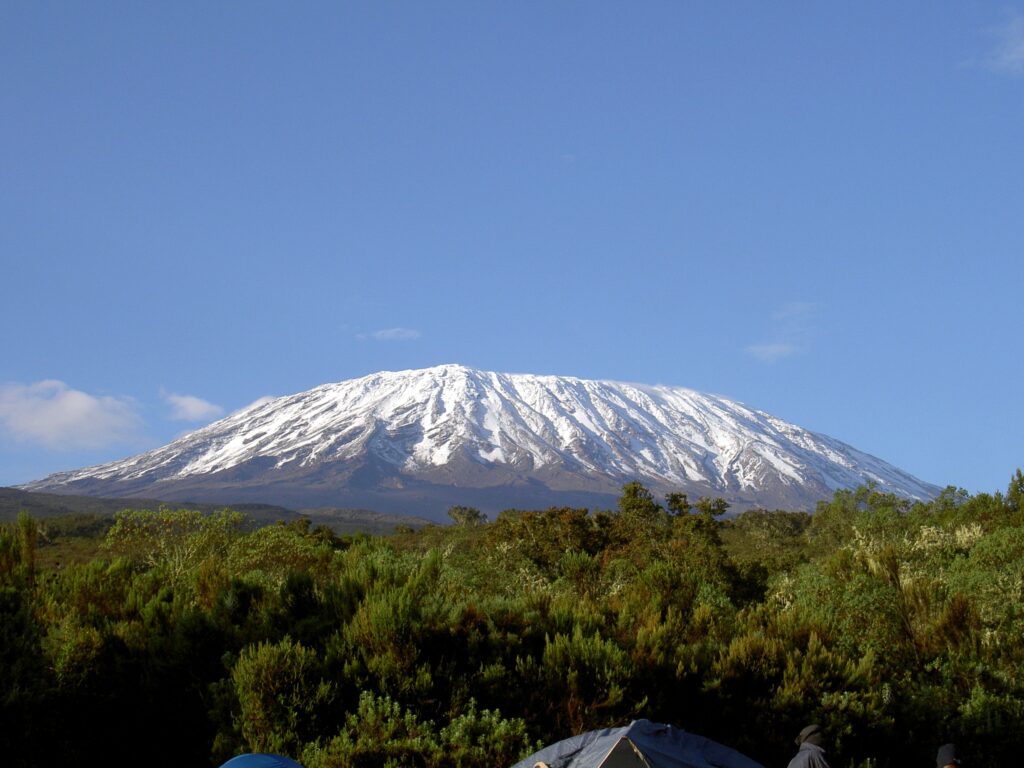
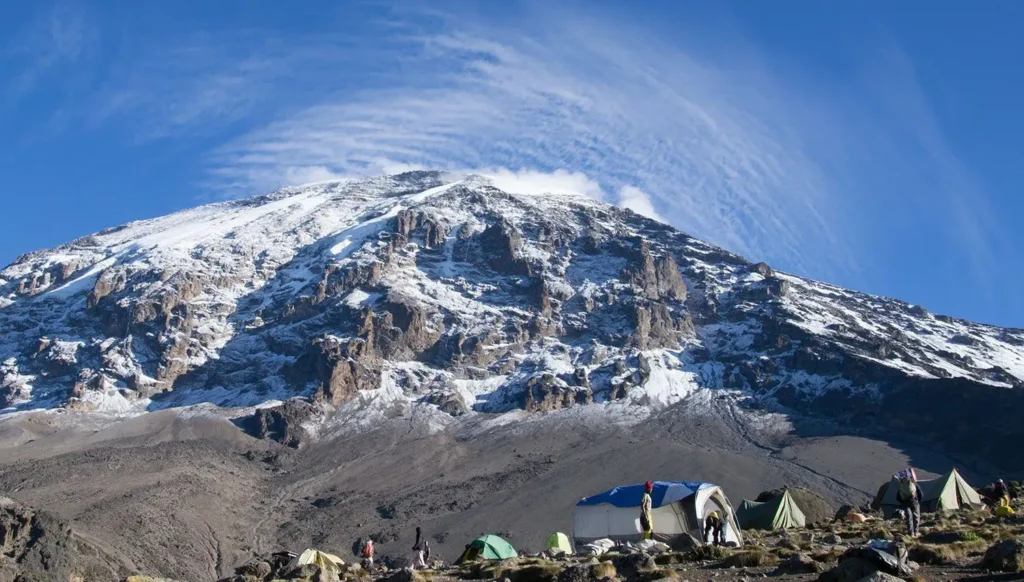
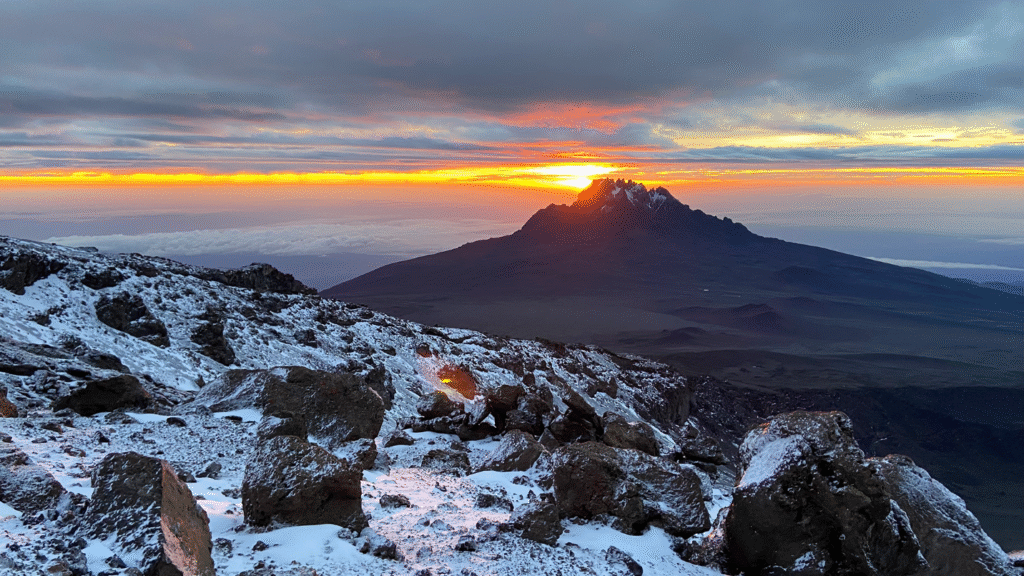
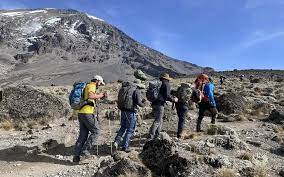

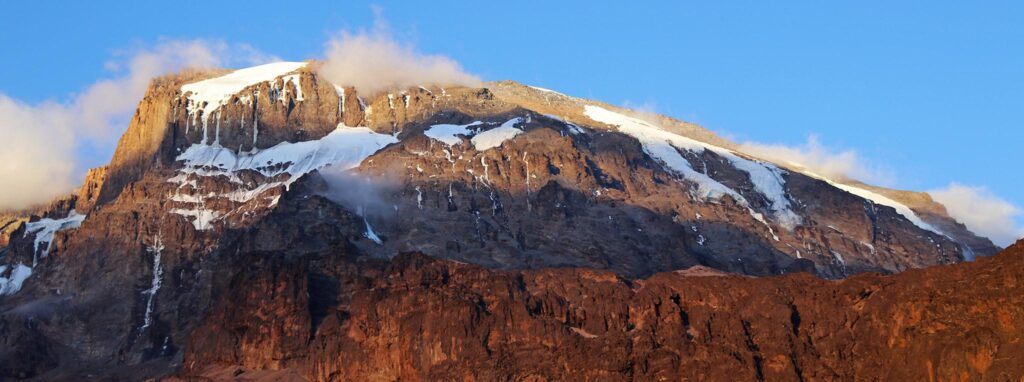
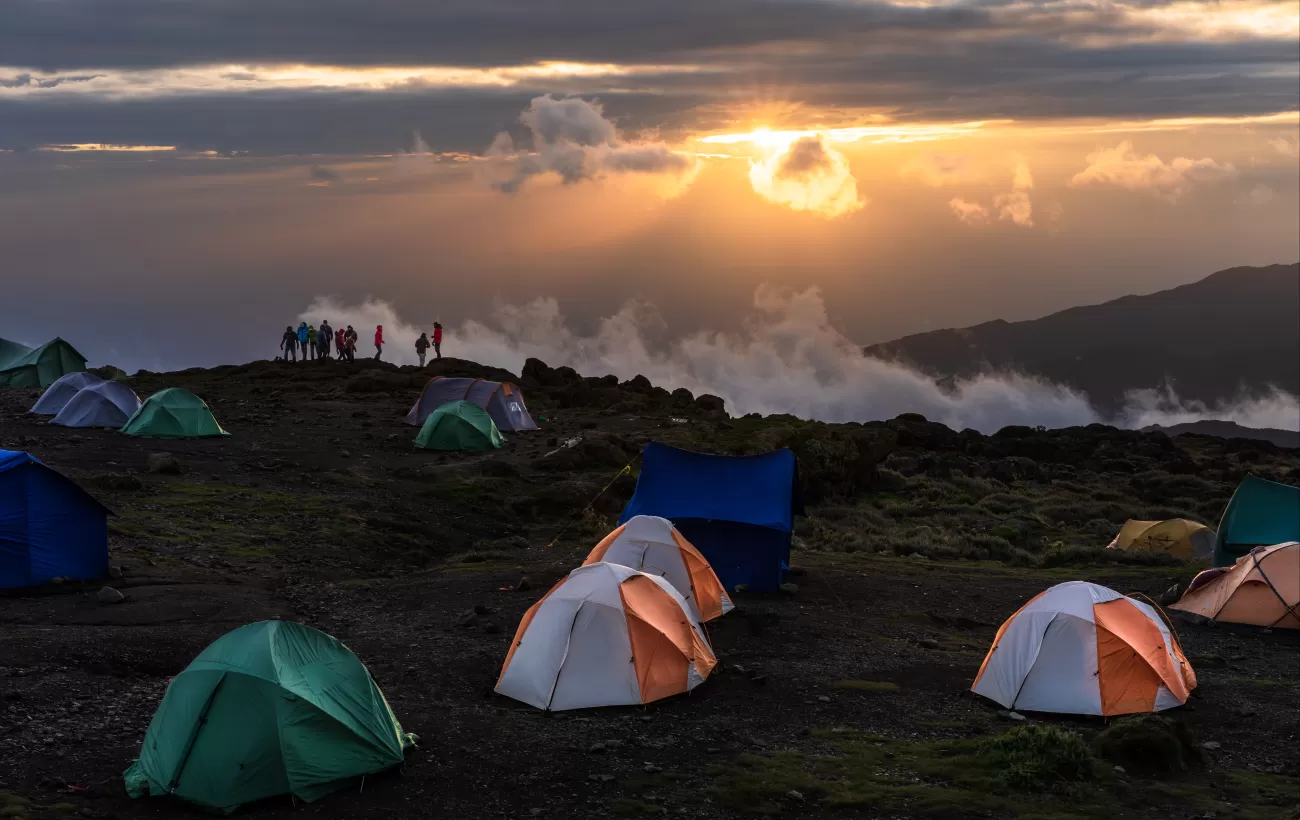
Mount Kilimanjaro is more than a climb—it’s a bucket-list adventure. Whether you’re scaling the summit, exploring its forests, or simply admiring it from the surrounding plains, Kilimanjaro offers incredible natural beauty, diverse ecosystems, and an unforgettable sense of achievement. Its status as Africa’s tallest peak makes it a must-visit destination for adventurers, hikers, and nature enthusiasts alike.
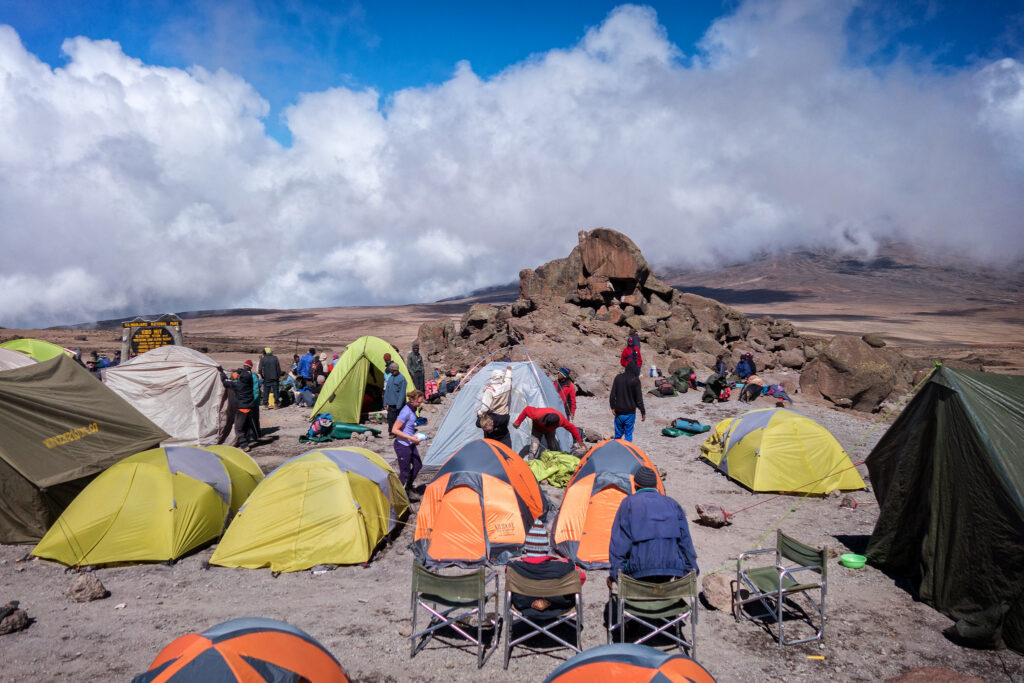
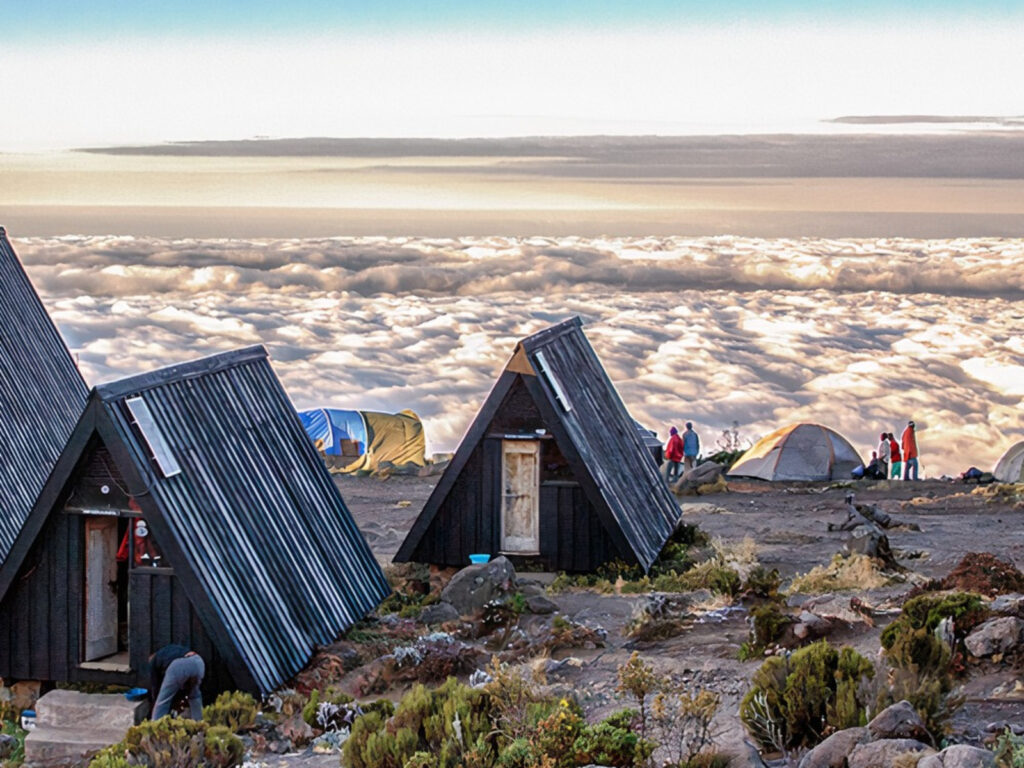
TAXES INCL/PERS
TAXES INCL/PERS
TAXES INCL/PERS
TAXES INCL/PERS
TAXES INCL/PERS
TAXES INCL/PERS
TAXES INCL/PERS
TAXES INCL/PERS
TAXES INCL/PERS