To More Inquiry
Nestled in Tanzania’s Arusha Region, the Ngorongoro Conservation Area is a breathtaking tapestry of highland plains, savanna woodlands, and dense forests—anchored by the awe-inspiring Ngorongoro Crater. This colossal caldera, 600 meters deep and spanning roughly 265 km², is the world’s largest intact volcanic crater and a true marvel of natural history
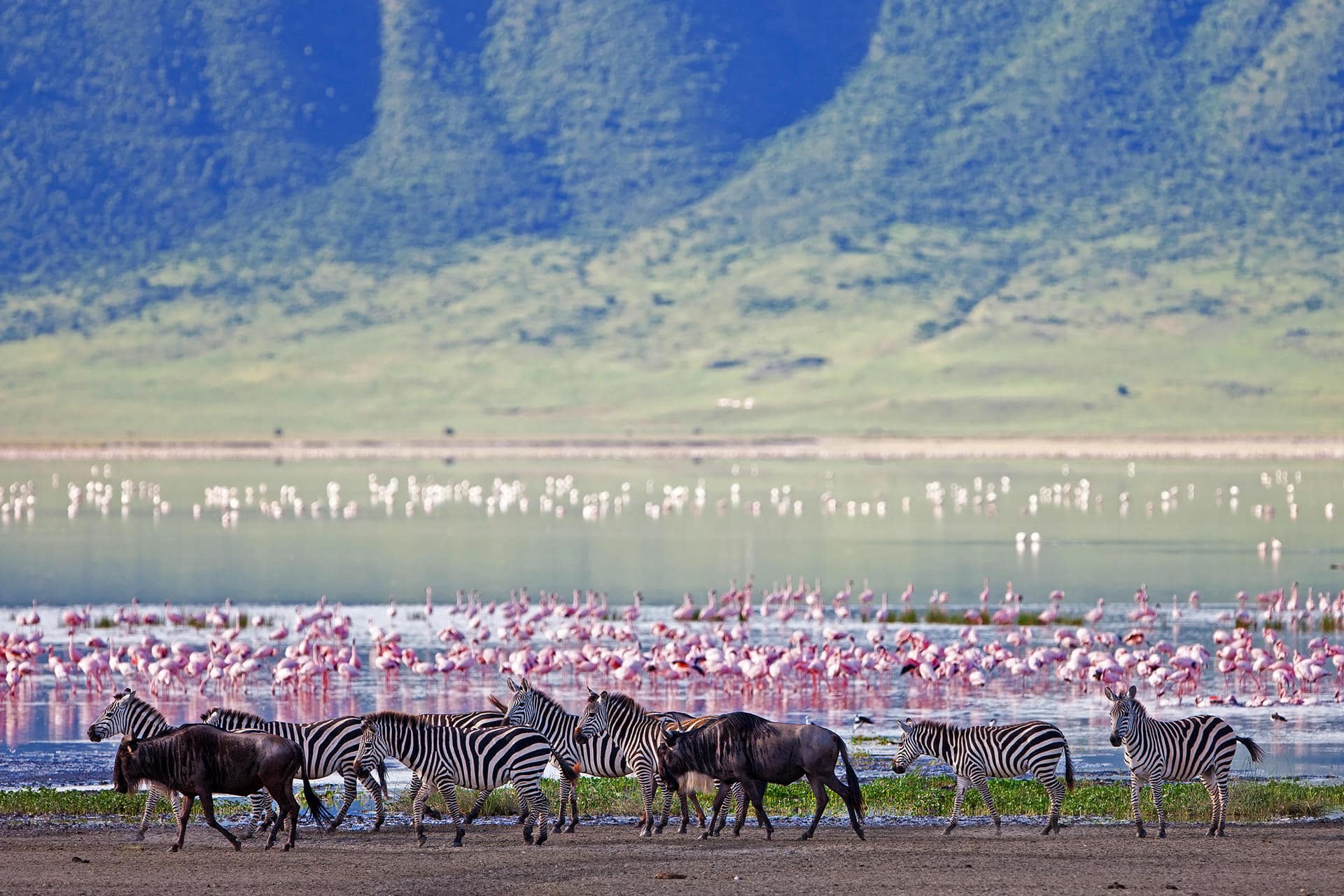
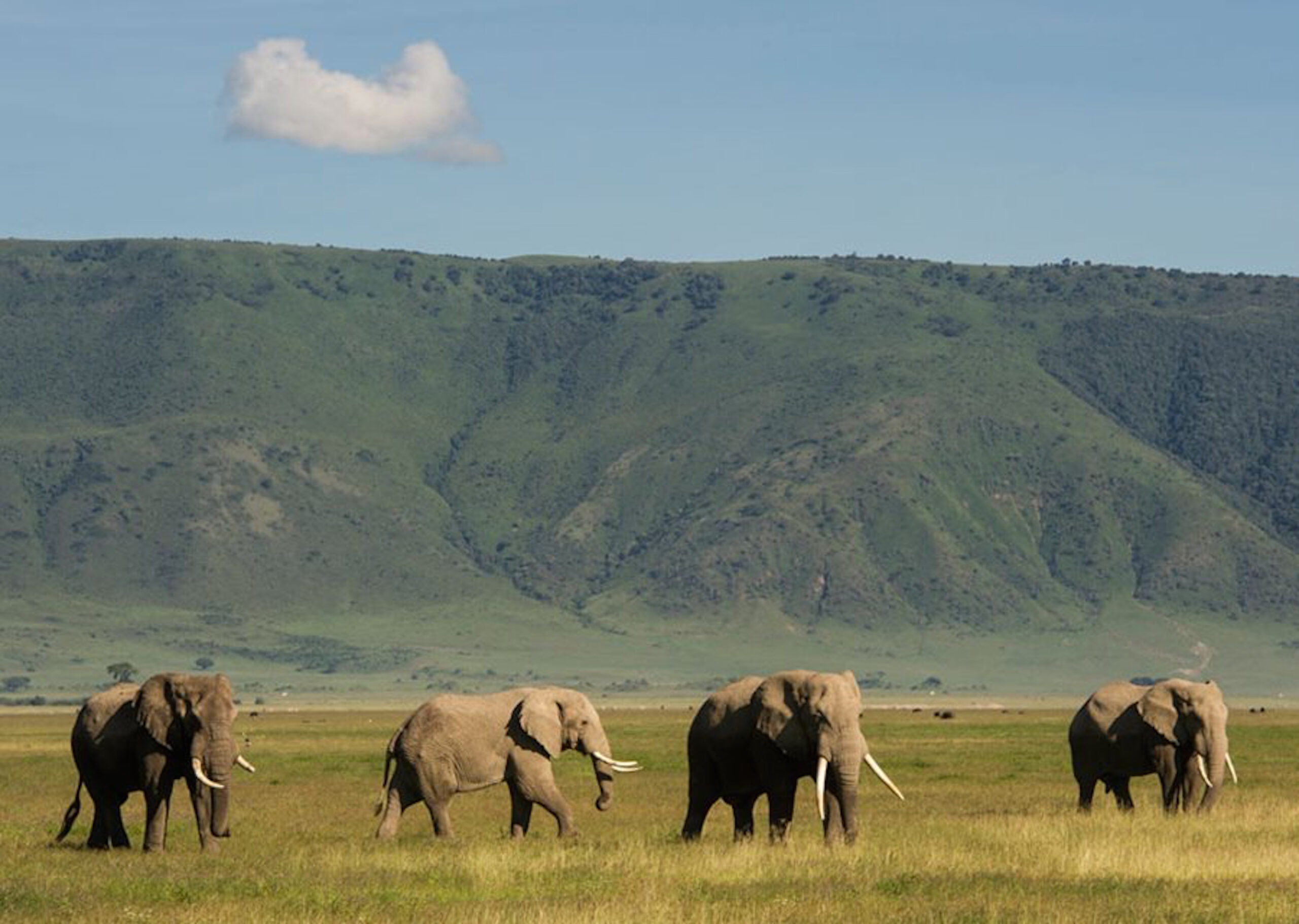
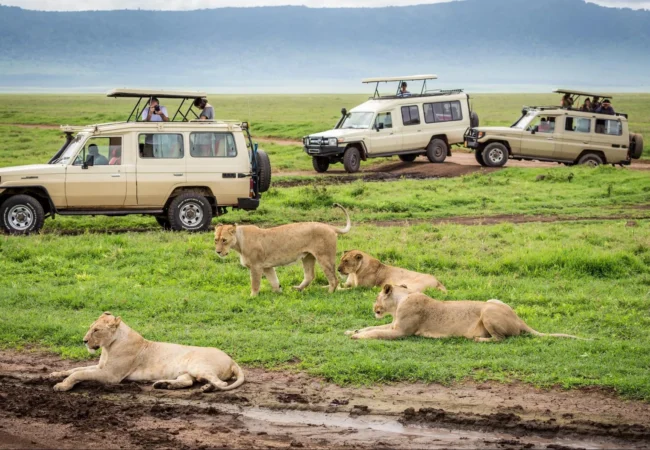
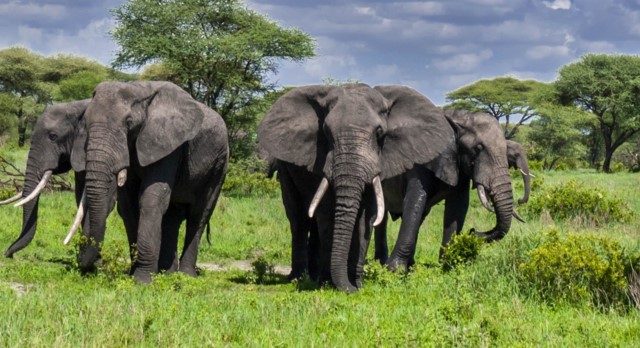
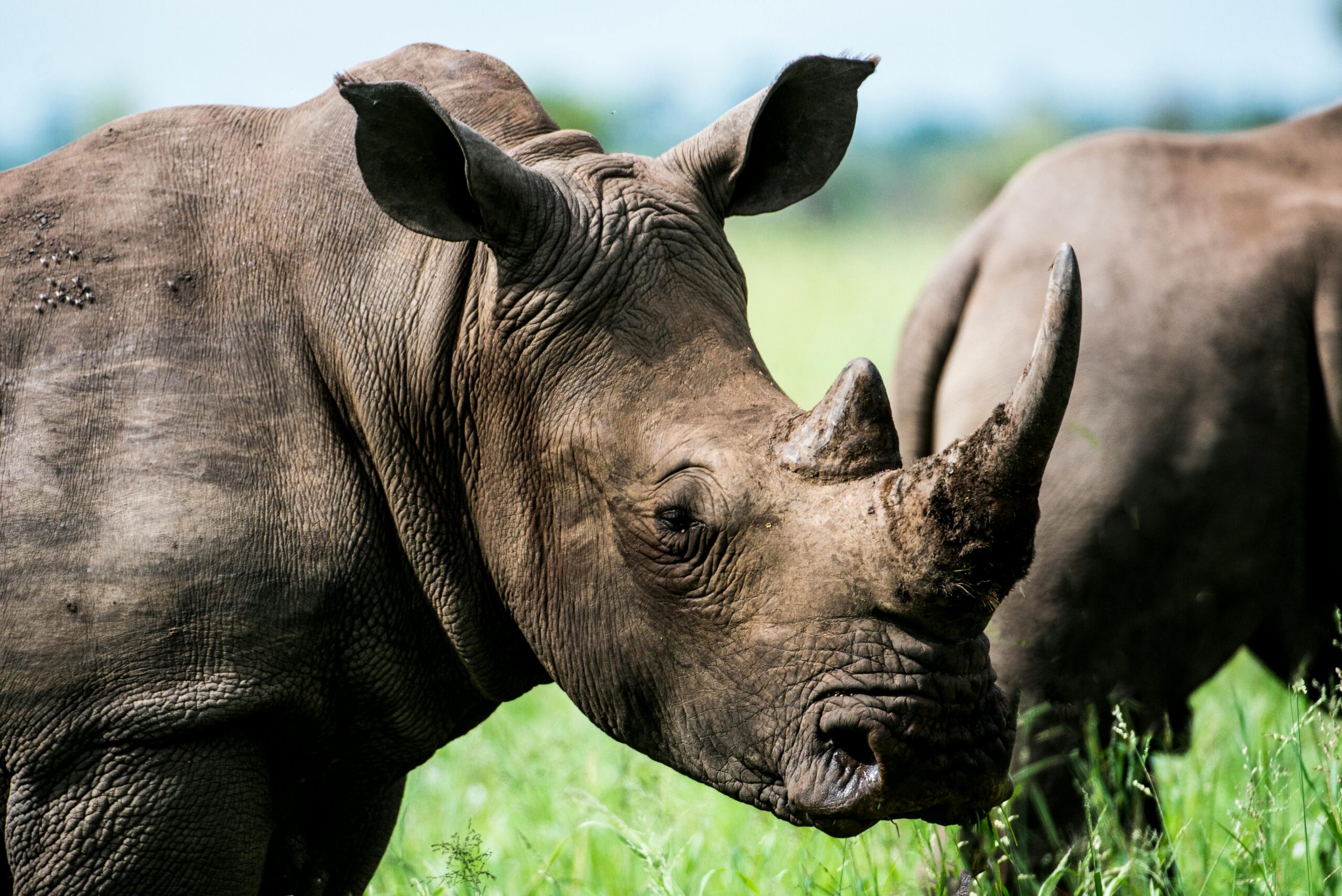
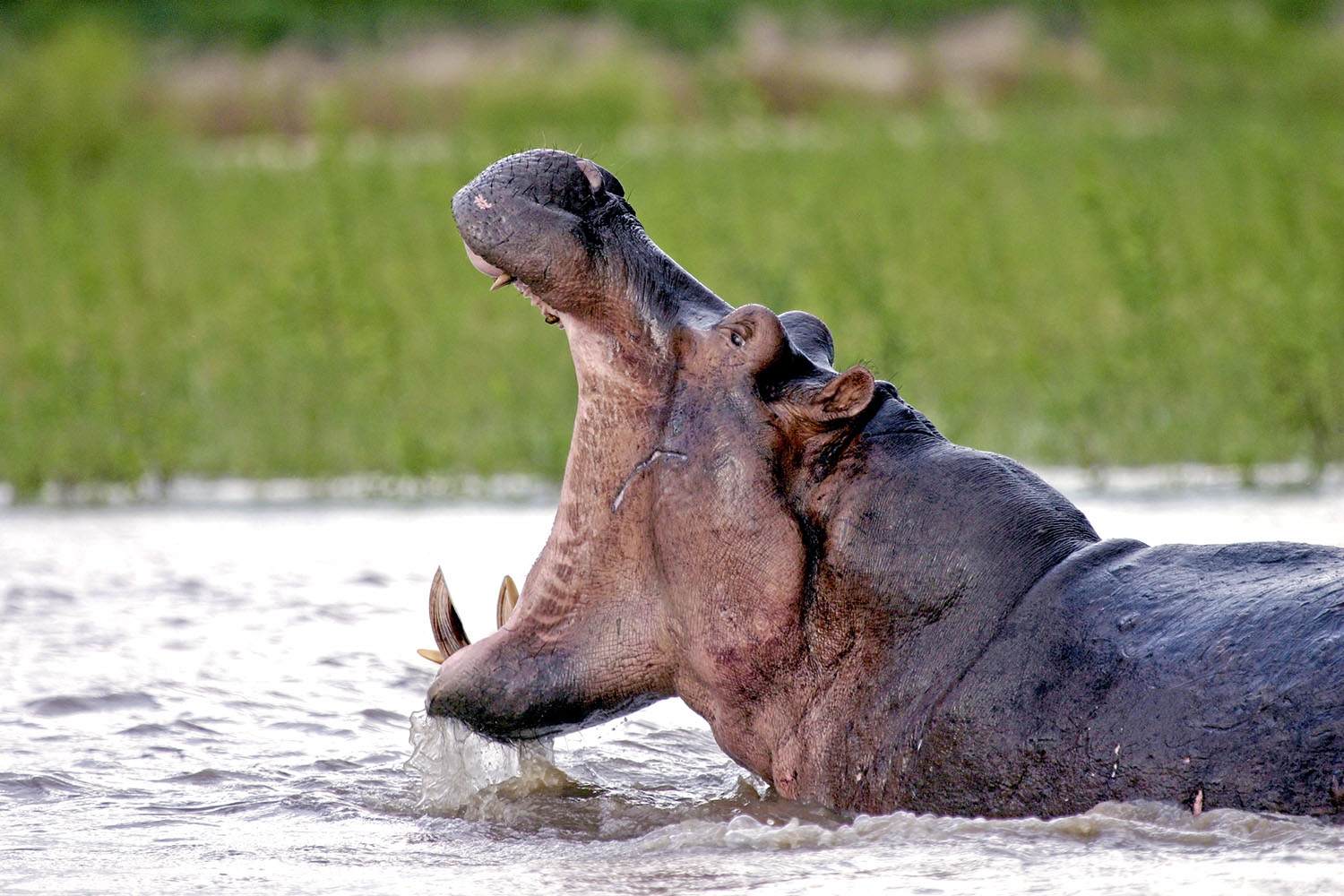
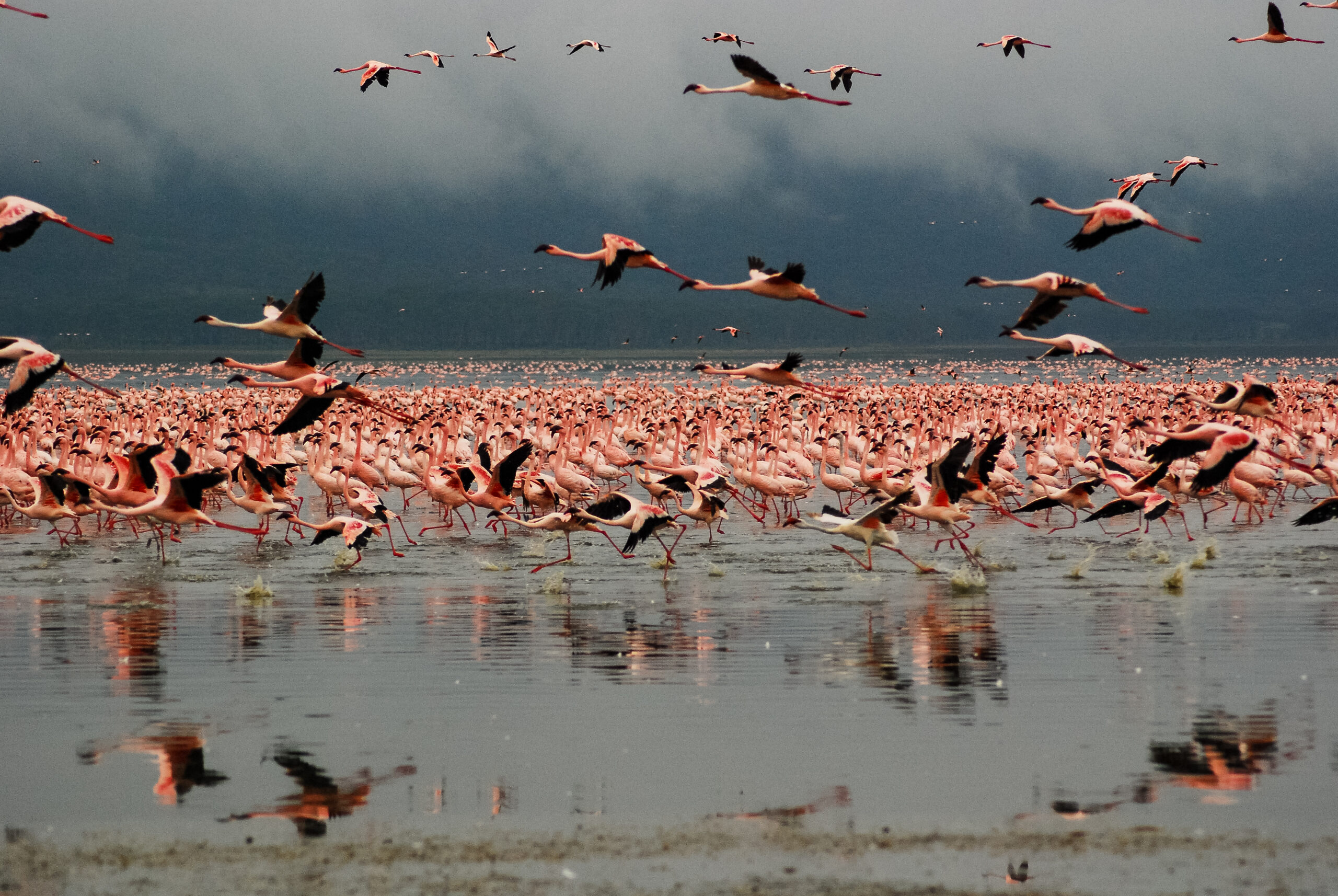
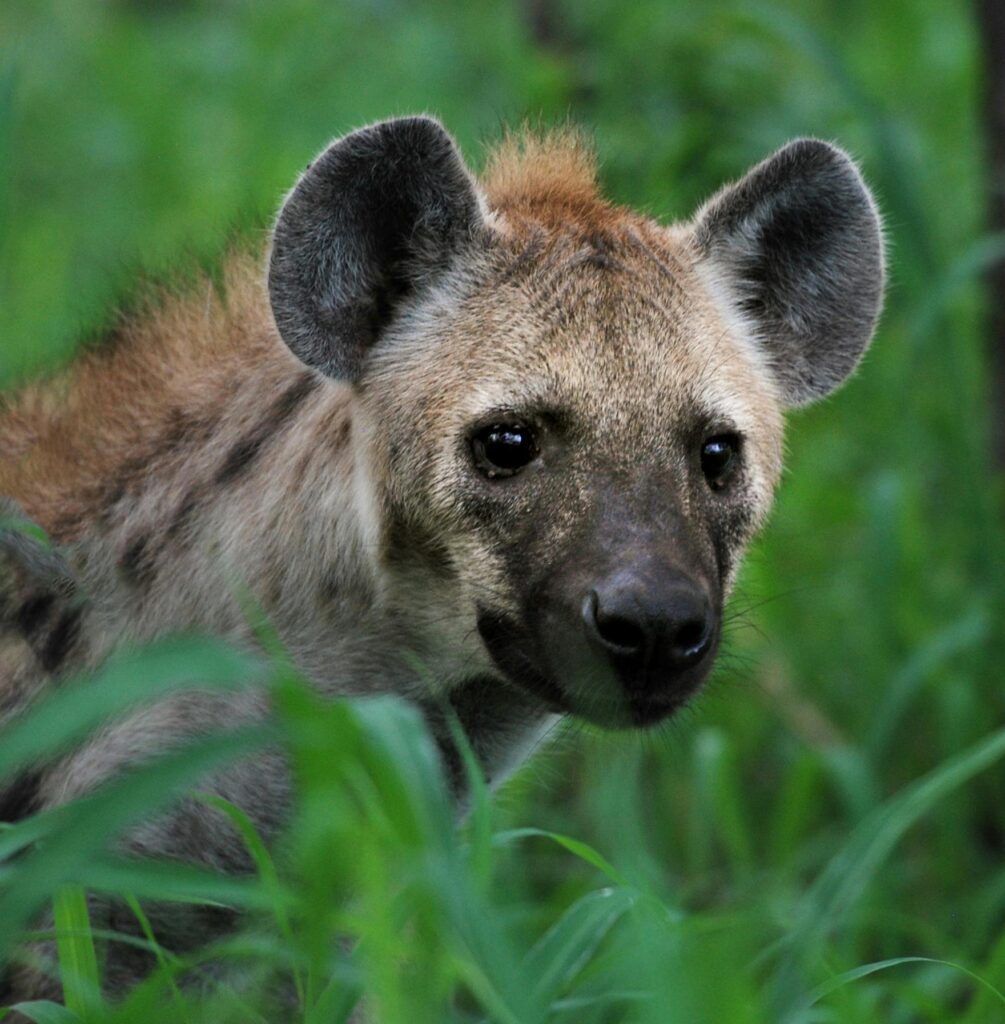
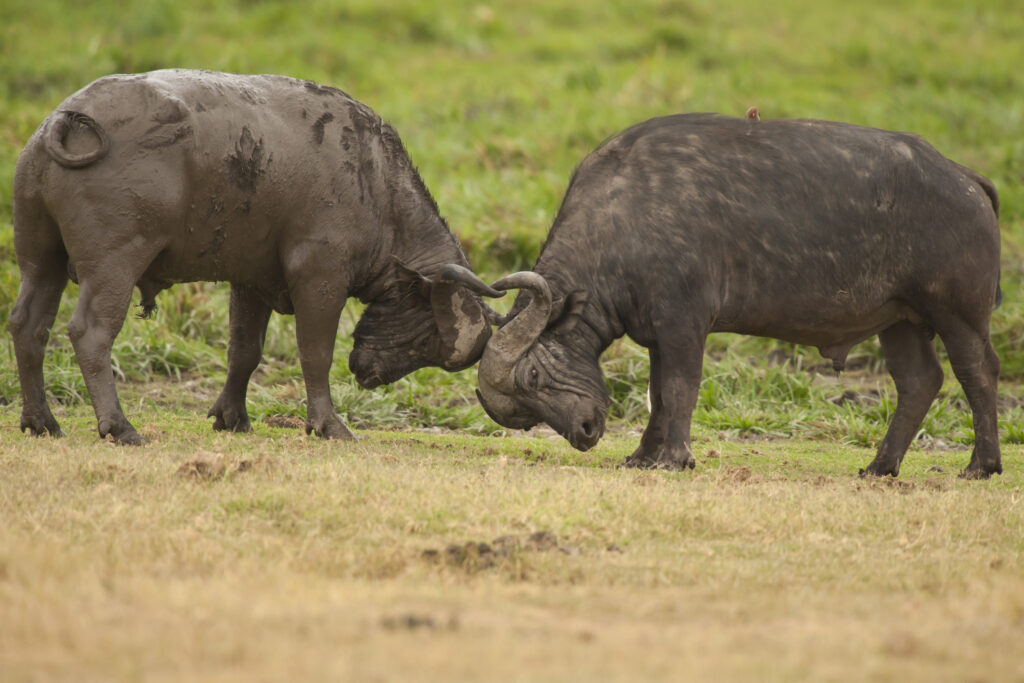
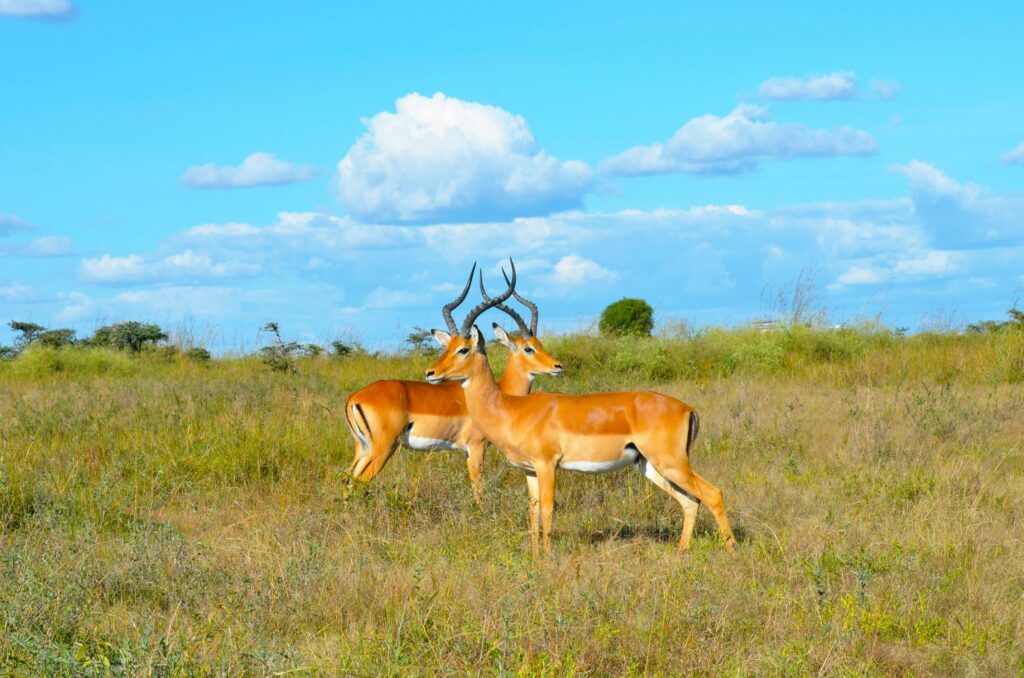
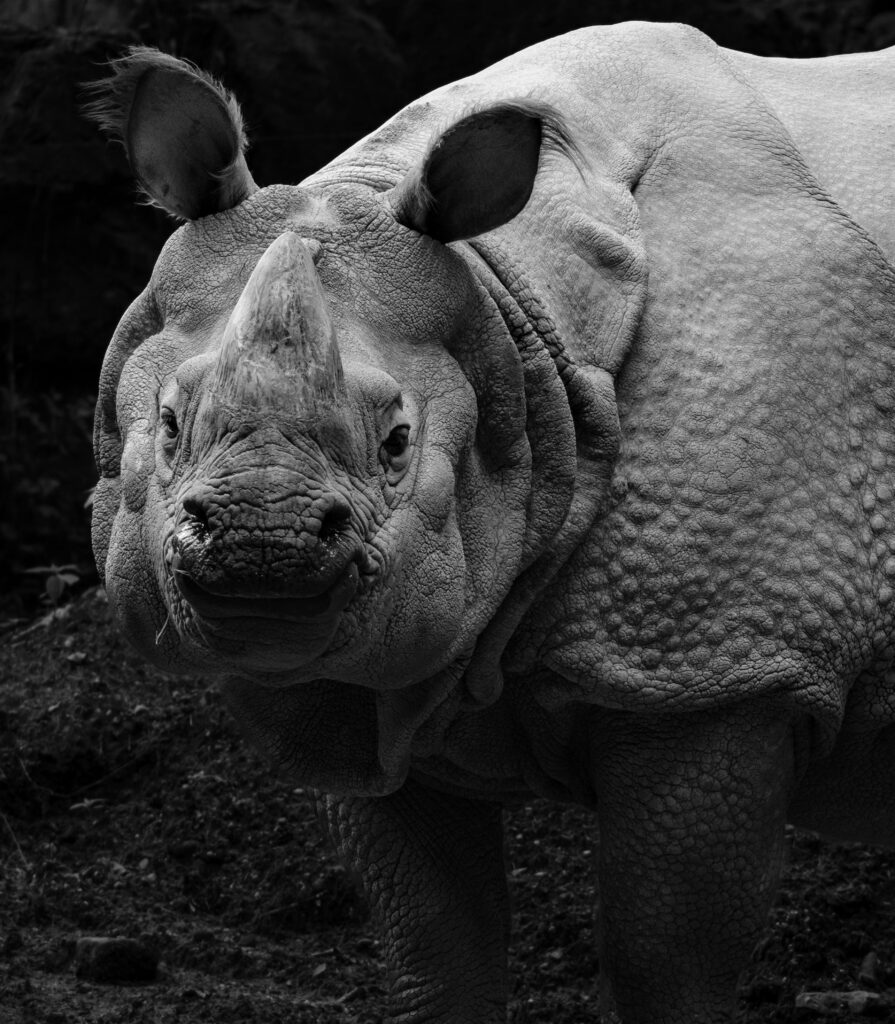
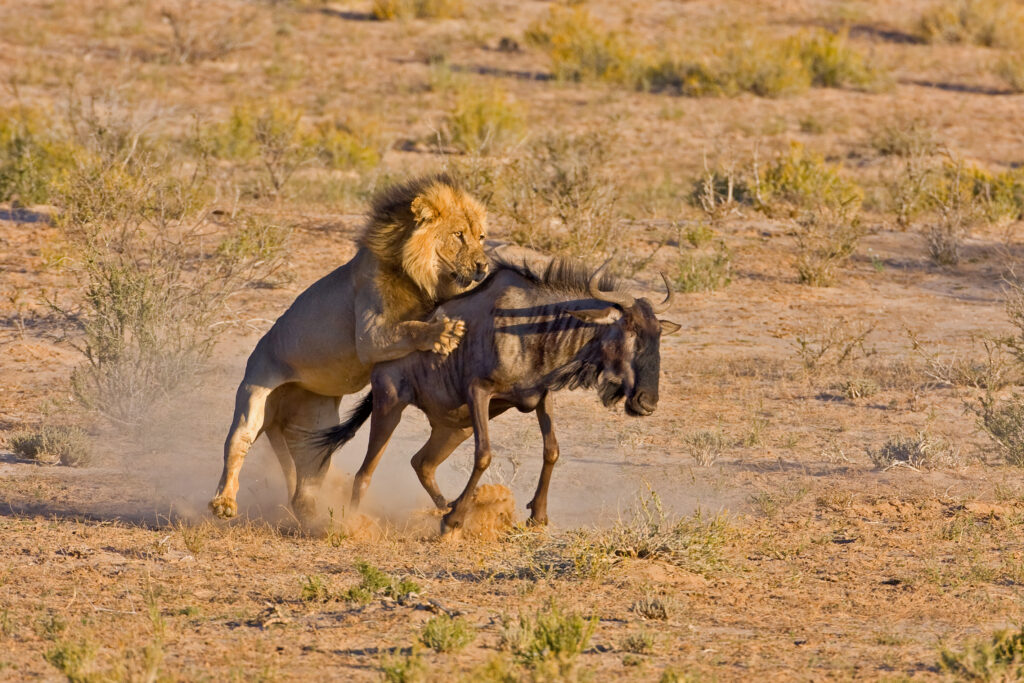
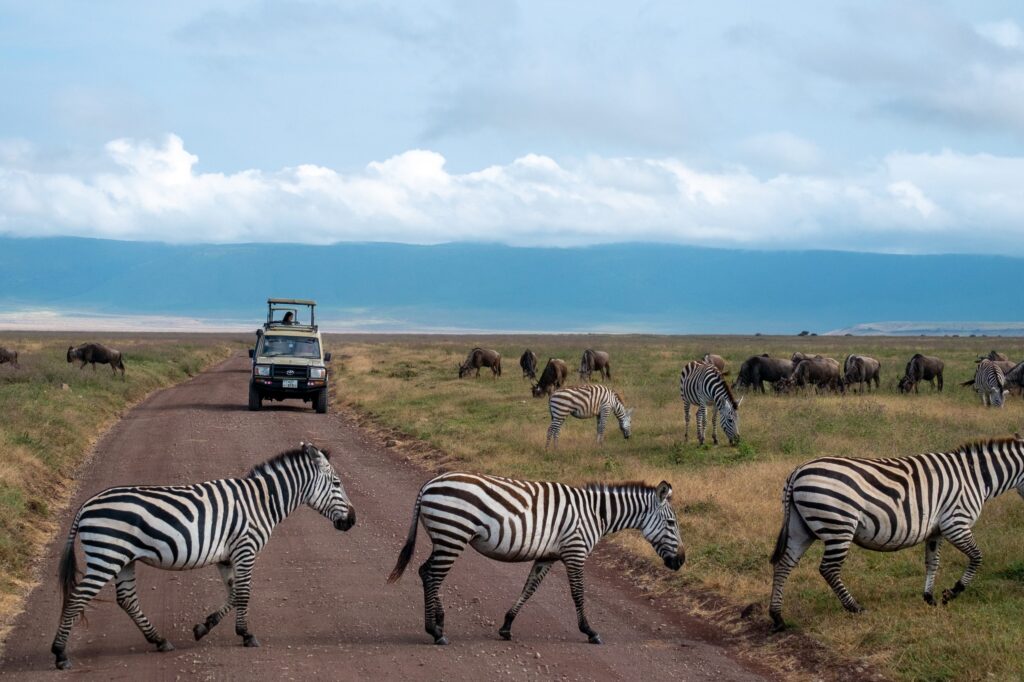
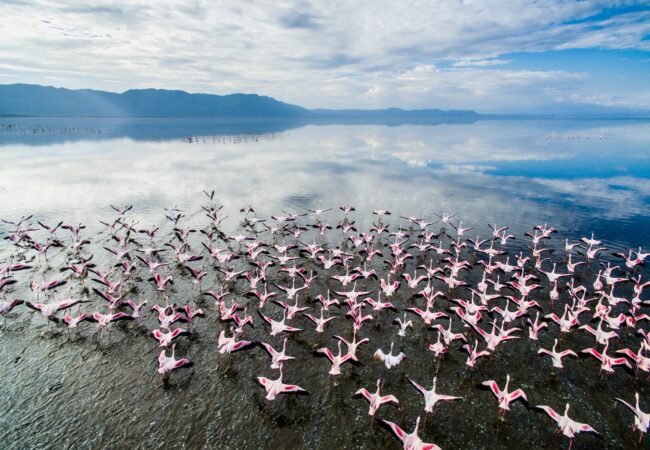
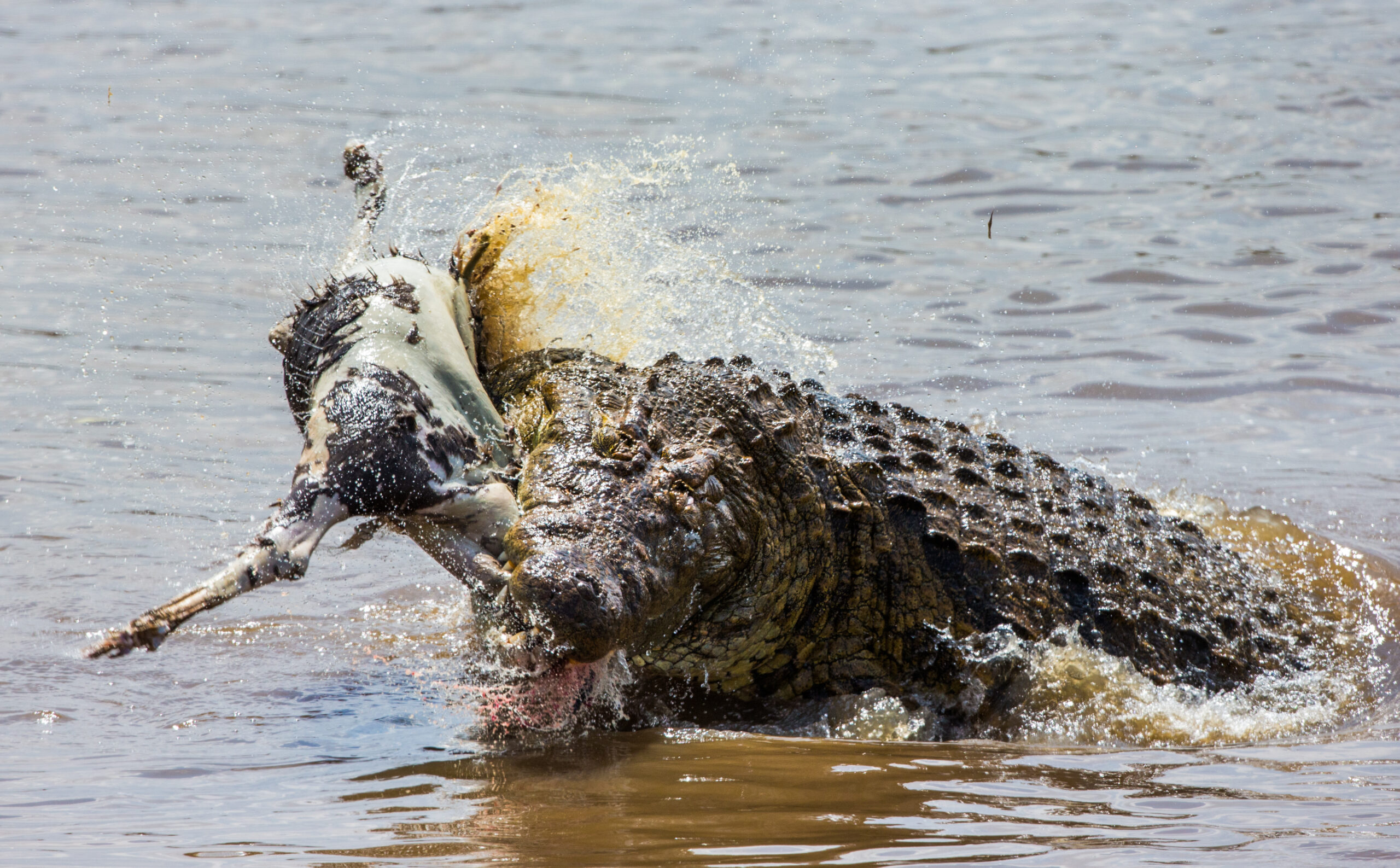
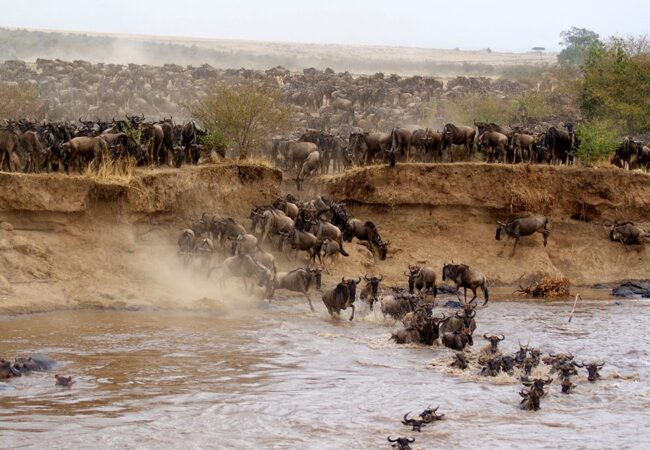
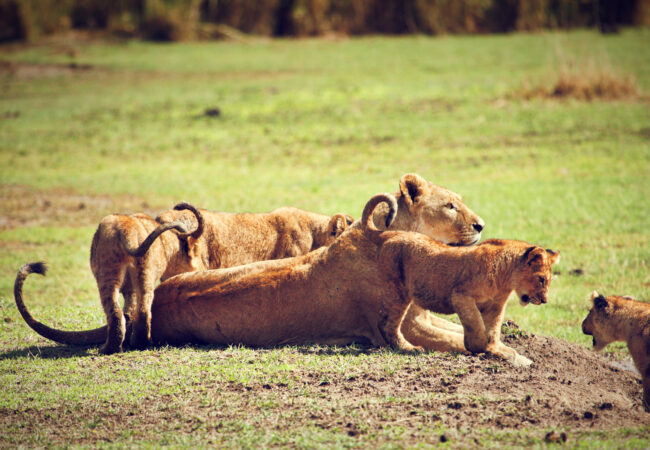
The crater floor pulsates with life, offering one of Africa’s densest concentrations of wildlife. Here, the Big Five roam freely amid herds of zebras, buffaloes, warthogs, baboons, elephants, hippos, ostriches, and flamingos. Predators like lions, cheetahs, leopards, hyenas, and jackals thrive in this dynamic ecosystem.
As a designated UNESCO World Heritage Site, Ngorongoro stands at the crossroads of conservation and culture. Beyond its biological richness, the area includes Olduvai Gorge—one of the most pivotal paleoanthropological sites on the planet, where early human ancestors were first uncovered by the Leakey family.
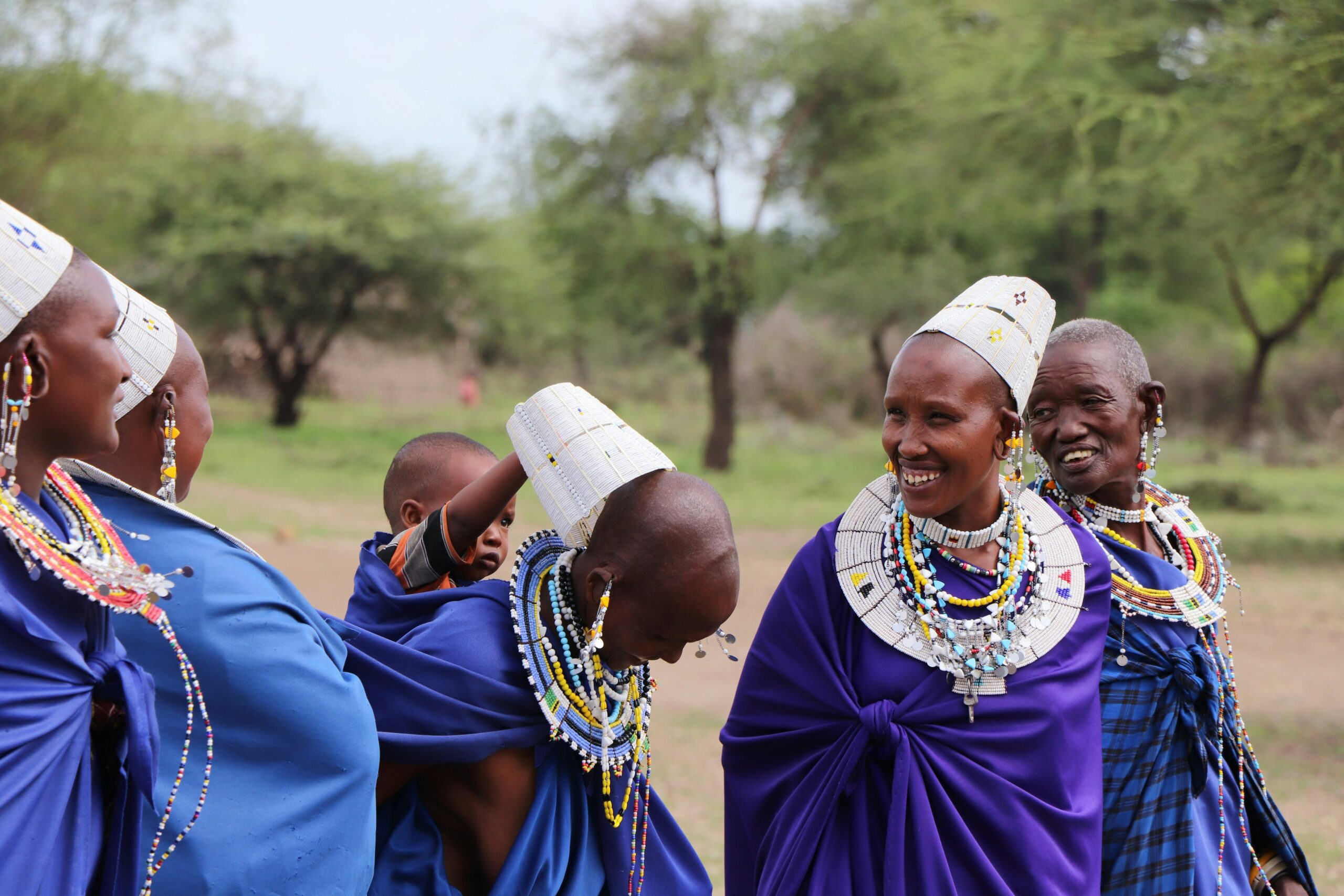
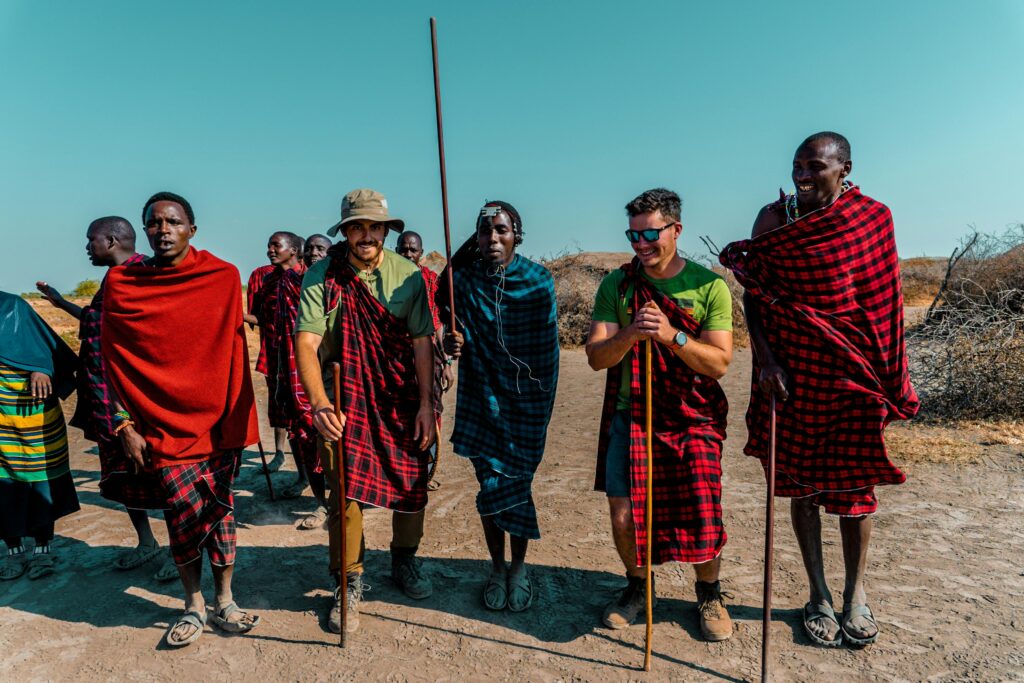
Established in 1959, the Conservation Area was envisioned as a multiple-use landscape—one where wildlife, landscapes, and Maasai pastoralists could exist in harmony. Though the region now faces modern challenges as conservation priorities evolve, its ethos of shared stewardship remains a central part of its story.
TAXES INCL/PERS
TAXES INCL/PERS
TAXES INCL/PERS
TAXES INCL/PERS
TAXES INCL/PERS
TAXES INCL/PERS
TAXES INCL/PERS
TAXES INCL/PERS
TAXES INCL/PERS